
Understanding Police LiDAR
How laser speed measurement works, why it is different from radar, and what drivers should understand before choosing a laser defense system.
How Police LiDAR Works
A LiDAR device sends thousands of infrared light pulses toward a target vehicle every second. The system measures the time it takes for each pulse to travel to the vehicle and reflect back. Because the speed of light is a known constant, the device calculates the distance with each pulse. By measuring how that distance changes between pulses, it determines speed. Speed measurement: LiDAR calculates speed by measuring the change in distance over time across multiple pulses. This happens in a fraction of a second. Targeting: Unlike radar, LiDAR requires the officer to visually aim at a specific vehicle. The narrow beam must hit a reflective surface — typically a license plate or headlight. Line-of-sight: LiDAR depends on a clear, unobstructed path between the gun and the target vehicle. Curves, hills, and other vehicles can block the beam. Vehicle aiming point: Officers are trained to aim at the most reflective parts of a vehicle, usually the front license plate or a headlight housing.
Why Laser Detection Is Different
A radar detector may alert you to police radar from surrounding traffic. LiDAR does not work that way. The beam is narrow, the targeting is specific, and the detection window is measured in fractions of a second.
Small beam width
At 500 feet, a LiDAR beam is only about 18 inches wide. If the sensor is not positioned where the beam hits, detection may not occur.
Short detection window
A LiDAR speed reading can be acquired in roughly one-third of a second. Detection equipment must respond nearly instantly.
Sensor placement matters
Where sensors are mounted on the vehicle directly affects whether the system can detect a LiDAR signal aimed at different parts of the vehicle.
No detection system is perfect
No detection system can promise to catch every LiDAR signal in every situation. Understanding the limitations is part of making an informed decision.
Awareness, Not a Shortcut
Radar and laser defense systems are tools designed to increase driver awareness. They do not replace responsible driving, attention, or good decisions behind the wheel. Our goal is to educate drivers, recommend the right equipment, and professionally integrate technology into their vehicle.
Laser Defense Systems We Install
We install premium laser defense systems selected based on vehicle design, customer needs, and desired level of protection. Every installation is vehicle-specific, professionally mounted, aligned, and integrated for a clean factory-style result.
Advanced laser defense technology
Our laser defense systems detect LiDAR signals and provide drivers with additional awareness when laser signals are detected.
Clean vehicle integration
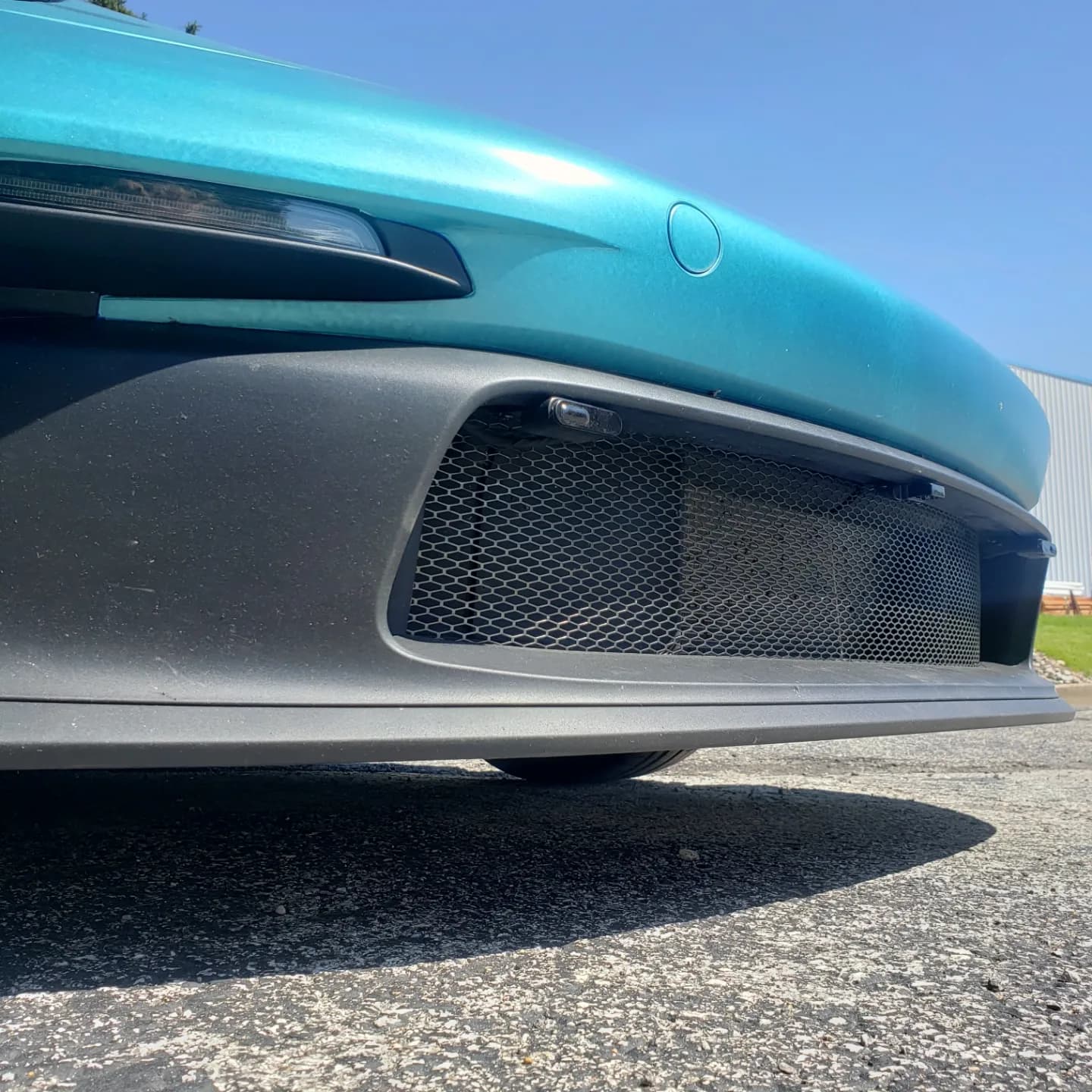
Small sensor heads mount discreetly in your grille or bumper. Sensors mount flush in the grille or bumper, wiring is routed behind factory trim panels, and the finished result preserves the vehicle's appearance.
A laser defense system is only as good as its install
We mount each sensor precisely, route every wire out of sight, and test the system before you leave the shop. It's what makes the protection actually work.
Professional Laser Defense Systems We Install
We install premium laser defense systems including AntiLaser Priority ALP, Escort Radar laser defense systems, and Stinger laser defense systems. Different systems have different strengths, and we help match the right equipment to each vehicle and driver.


Frequently Asked Questions
Common questions about police LiDAR technology and laser defense systems.